- Pictures
- Damage Patterns
- Biology
- Propagation
- Pest Control
- Biological Control
- Historicals
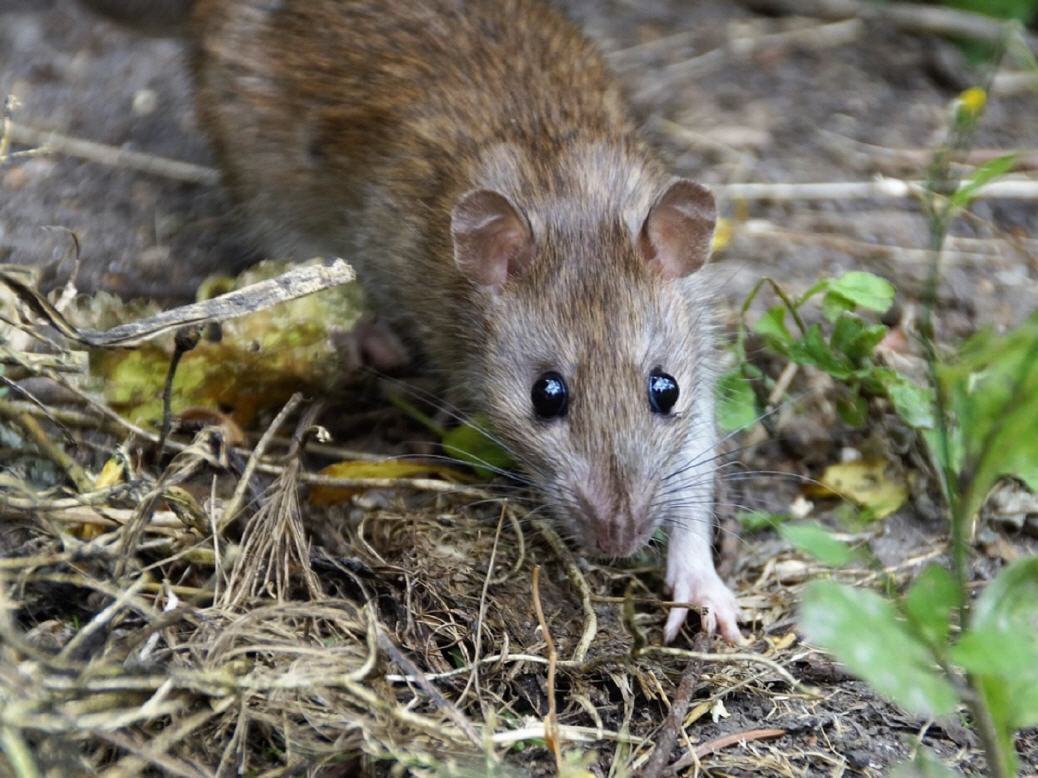
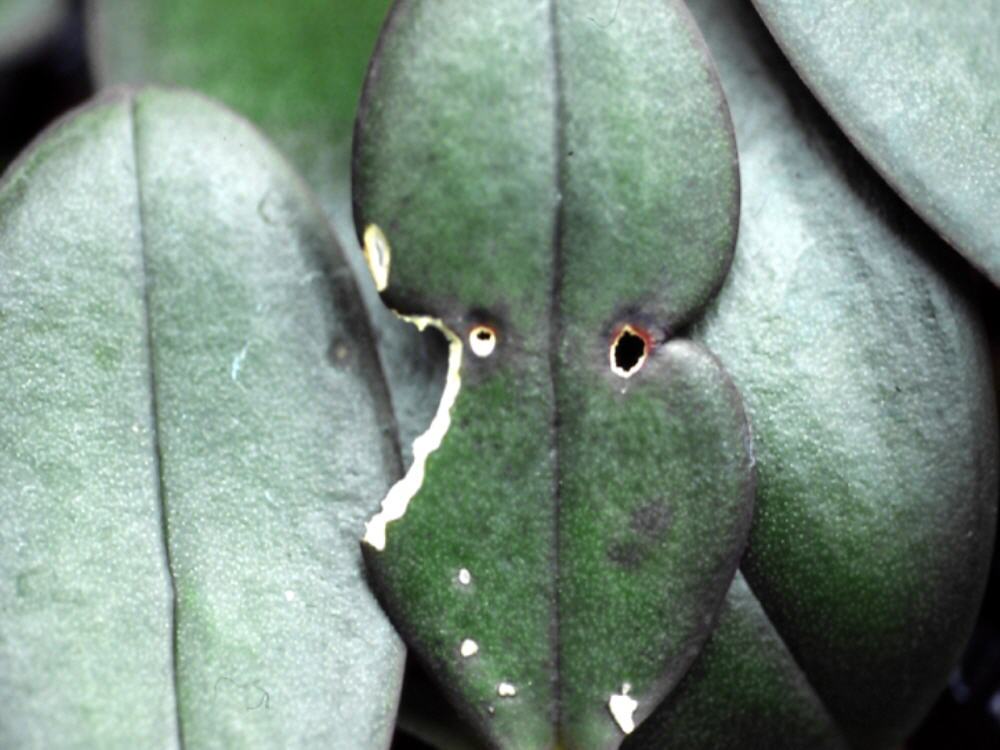
There are numerous ways in which mice can get into houses, conservatories or greenhouses. Typical damage includes gnawed heart leaves, especially in Phalaenopsis. Field mice and shrews love to eat the pollen from flowering plants. Young plants are pulled out of their trays and their roots are eaten.
The genus of mice (Mus) can grow to a size of 4-12 cm, plus a tail length of 3 to 11 cm. They are very light and extremely good climbers. The colour of their soft, rough or prickly fur ranges from light grey to brown to almost black. Although the tail appears hairless, on closer inspection small, short hairs can be found. Mice originally come from Africa, southern Europe and south-eastern Asia. As synanthropic animals, they have followed humans further into the cold north, where human food storage has provided them with a food supply even in winter.
While wild animals are nocturnal, domesticated species are active at all times. Mice feed on a variety of plant materials, such as seeds, roots, leaves and stems. Some species also eat insects and other small animals when available. Species that follow human cultures eat any human food that is available.
Mice can give birth to young all year round, which reach sexual maturity after just 3-6 weeks. The gestation period is just under 24 days, with litters comprising 4-8 young, but sometimes more. Shortly after giving birth, females are ready to conceive again, which is the basis for their extremely rapid reproduction.
Mouse traps are still the best solution. There are numerous mouse baits available, but these are also dangerous for other mammals, dogs, cats, etc. Children are also potentially at risk.
Mouse trap, available as a snap trap or a live trap. There are approximately 20 species of mice in Germany, the most common in the home being the house mouse, the field mouse and the dormouse. However, it also depends greatly on where you live and which mice inhabit the surrounding area.
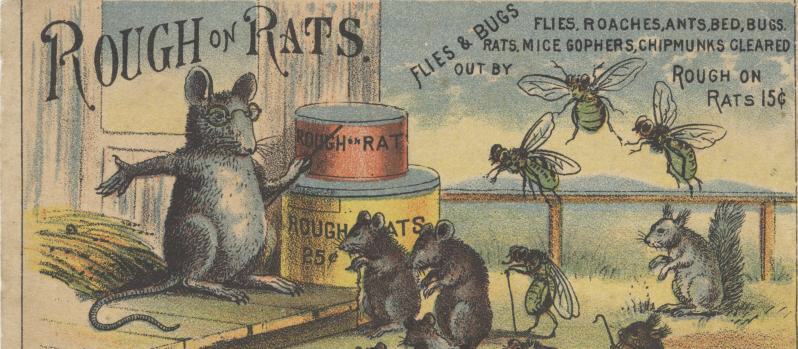
Advertisement (circa 1875) for a mouse and rat poison that also works against sucking insects, cockroaches and much more. It's amazing that humanity has survived.